
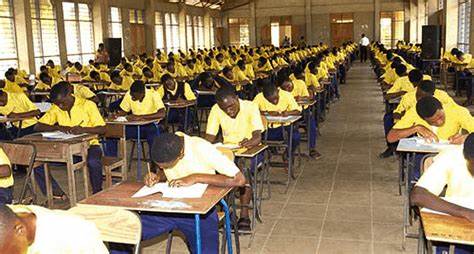

The Basic Education Certificate Examination (BECE) this year quietly broke tradition, yet it may have created a valuable opportunity. Historically, junior high school students in Ghana write all ten (10) subjects of the BECE over five intense days, usually from Monday to Friday. It is a demanding stretch of two papers per day, often without sufficient breathing space for reflection, revision, or rest.
However, the 2025 BECE, due to an unplanned alignment with the Eid al-Adha celebration and its associated public holiday, began on a Wednesday and ended on the following Wednesday— effectively providing a weekend break between two examination phases. At first glance, this might seem like a minor scheduling shift. But for the thousands of young students navigating one of the most important academic thresholds of their lives, it was a subtle but powerful reprieve.
The unintentional structure offered what the usual format often fails to provide: a natural pause for the brain to reset, the body to recharge, and the spirit to stabilise. And it raises a critical question: Should this revised timetable become the new norm?
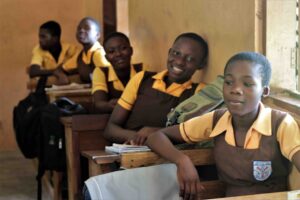
Anyone who has worked with junior high school students during BECE week knows the toll it takes, not just academically, but psychologically. Waking up early for five consecutive days of back-to-back exams is taxing for even the most resilient adult, let alone 14- or 15-year-olds. The pressure builds by midweek; fatigue sets in, performance dips, and anxiety often surges just when students need their clarity the most.
We speak often about the importance of mental health and well-being in education, yet our exam structures have rarely caught up with these concerns. In contrast, senior high school students writing the WASSCE enjoy a spread-out timetable spanning nearly a month, with days in between to recover and prepare. The BECE, which is designed for younger students, has historically had a more compressed schedule, leaving no room for relaxation.
This year, students unexpectedly benefited from a weekend break. Anecdotal feedback from teachers, invigilators, and students themselves suggests that many returned on Monday with renewed energy, improved focus, and lower stress levels. The weekend allowed time to revise subjects scheduled for the following week, consult teachers or peers informally, and get critical rest.
It was not just a pause; it was a performance booster. The break served as a mental “half-time”, allowing students to regroup rather than stagger through the second half of the exams. In the competitive and emotionally charged environment of standardised testing, even a small advantage in focus can make a significant difference in outcomes.
While the calendar shift this year was accidental, its benefits were real. If the Ghana Education Service (GES) and the West African Examinations Council (WAEC) are truly committed to learner-centred policies, this is an opportunity worth seizing. Making the weekend break a permanent feature of the BECE timetable would not require an overhaul of the entire academic calendar. This simply entails extending the exams from five days to seven or eight days, as implemented this year.
The change does not reduce rigour or lower standards. Rather, it aligns with global best practices in education, where assessment schedules consider cognitive and emotional stamina. Countries that prioritise educational outcomes increasingly recognise that time, rest, and mental wellness are not luxuries—they are necessities.
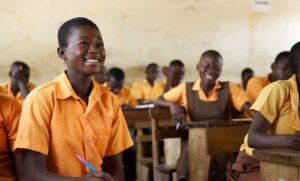
This article does not purport to provide all the solutions. But it raises a conversation worth having—not only among policymakers at GES and WAEC but also among school heads, teachers, parents, and health professionals. What is the purpose of an examination system if not to provide an accurate, humane measure of learning and readiness?
A restructured BECE timetable, with a purposeful weekend pause, would be a modest but meaningful step toward a more compassionate and effective educational process.
As Ghana continues to shape its future leaders through education, it must also model the kind of leadership that listens, observes, and adapts. This year’s exam calendar adjustment may have been circumstantial, but its positive psychological and academic ripple effects are worth preserving.
Let us not waste the accidental wisdom of this year’s BECE. Let us act on it.
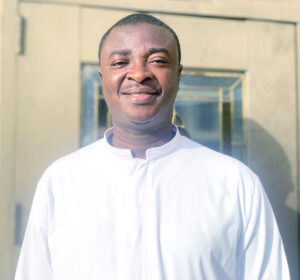
By Rev. Fr. Vincent Dan Teiko,
University of Mines and Technology (UMaT), Tarkwa
Assistant Registrar, Counselling Unit