


THE PRINT MEDIA
One of the fond memories of any Catholic pilgrim to St. Peter’s Major Basilica in Rome, whether for a casual visit or to join the Mass of the Pope, is a take-home printout—be it a programme booklet, a papal ticket, a brochure, or a souvenir—which becomes a historical artefact of being in Rome, the Eternal City.
THE REALITY OF THE DIOCESAN PRINTING HOUSE
I am tempted to think that the Universal Church, having a whole Dicastery for Social Communication, is not a mistake but a deliberate decision to spread the Gospel wisely, strategically, and prudently, using not only audio and visual media but also print media. Print media essentially transmit and publish important documents such as Apostolic Exhortations and Encyclicals in both print and electronic forms, with the permission and seal of the competent ecclesiastical authority.
It is from this understanding that our Diocesan Departments of Social Communication (DEPSOCOM) operate.
Technically, unless pastoral circumstances suggest otherwise, Diocesan Printing Houses should be directly under the Communication Office. They may not necessarily be headed by the DEPSOCOM Director, but ideally, they should function under his supervision as a branch of the DEPSOCOM Office. Their primary purpose should remain evangelisation so as not to lose focus and unnecessarily compete with secular printing houses.
THE ROLE OF THE NATIONAL/DIOCESAN PUBLISHING/PRINTING HOUSES
Ideally, Diocesan Printing Houses form a major branch of the DEPSOCOM Office. They exist to encourage the publishing and mass production of materials such as: Diocesan/National Daily Guides, Ordines, Catholic Graphics, journals, newsletters, directories (updated annually), diaries, calendars, annual pastoral programmes, sacramentaries, lectionaries, and liturgical rites in local languages.
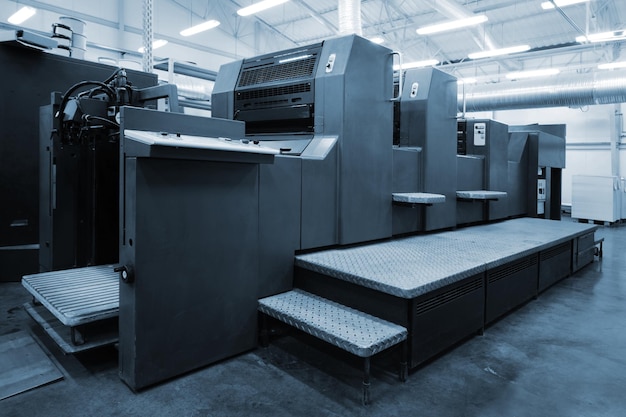
They are also responsible for producing catechism booklets, prayer manuals, diocesan synodal acts and decrees, as well as compiling and publishing important speeches, homilies, and pastoral letters of diocesan bishops, especially during diocesan and episcopal anniversaries.
It saddens my heart that many of the rich homilies of our bishops are neither recorded nor documented. If this continues, we risk losing valuable theological works, treatises, reflections, and ideas, a great disservice to future generations.
I strongly believe it would be beneficial if DEPSOCOM Directors initiated the writing and publication of (auto)biographies and major works of our diocesan bishops. This should also include a historical compendium of the Catholic Church within the various dioceses and in Ghana as a whole.
Additionally, distinguished lay faithful who have lived exemplary lives could be considered. Their stories, when preserved, can serve as powerful testimonies and sources of inspiration for the Catholic youth.
THE REALITY OF THE PUBLISHING HOUSES
Although Catholic publishing has stood the test of time and adapted through historical developments, more can still be achieved if management receives adequate support from the competent ecclesiastical authority. There is a need for proper financial empowerment, recruitment of experienced Catholic professionals on merit, fair remuneration, and the adoption of modern machinery and advanced technology to ensure both quality and quantity in production.
Catholics tell their stories more authentically and excellently than outsiders.
The Church could also collaborate with the Department of Communication and Journalism of the Catholic University to provide continuous, periodic training for workers in printing houses. This would enhance professionalism, improve managerial competence, introduce modern marketing strategies, and strengthen customer service. There should also be a gradual transition from manual systems to automation, including the use of artificial intelligence, to meet international standards.
SOME OF THE CHALLENGES
Although some efforts have been made to train priests, religious, and lay faithful in publishing, more attention is needed at the diocesan level to develop skilled, competent, and experienced managers who understand the full operations of a publishing house.
CHOOSING A PRIEST, RELIGIOUS, OR LAYPERSON AS MANAGER: A HARD NUT TO CRACK
Many factors, consultations, background checks, and considerations go into such decisions. However, there is often insufficient attention given to the historical performance of previous leadership, with too much emphasis placed solely on expertise.
One may possess technical expertise yet lack the integrity or managerial competence required to run such an institution effectively.
It may not necessarily be about status but about identifying individuals who can manage effectively, initiate and implement innovative marketing strategies, and champion the vision of the Church.
There have been instances where weak financial management and inadequate supervision have led to the sudden collapse or near-collapse of some diocesan and national publishing houses.
LETTING DEPARTMENTS WORK
In our context, one major challenge in managing Church publishing houses is the tendency of leaders to act as “jack of all trades.”
While this temptation exists, the boards of these diocesan and national publishing houses must be properly constituted and empowered. There should be clearly defined departments that work collaboratively.
In such a structure, the Manager plays an administrative and supervisory role rather than handling financial transactions directly.
All payments should be processed through the Finance Department, while the Operations and Production Department, Marketing and Sales Department, and Welfare Department carry out their respective functions.
This ensures efficiency, transparency, and accountability, avoiding a system where the entire institution revolves around one individual.
DIGGING INTO THE WORK OF THE PUBLISHING HOUSES IN THE CHURCH
TO BE CONTINUED!
By Rev. Fr. Albert Kyei Danso
Chaplain, Holy Family Ghanaian Catholic Community Church
Italy