

The Ghana Catholic Bishops’ Conference has firmly defended the Church’s role in addressing critical national issues, insisting that its voice on matters such as illegal mining is a moral obligation rather than political interference.
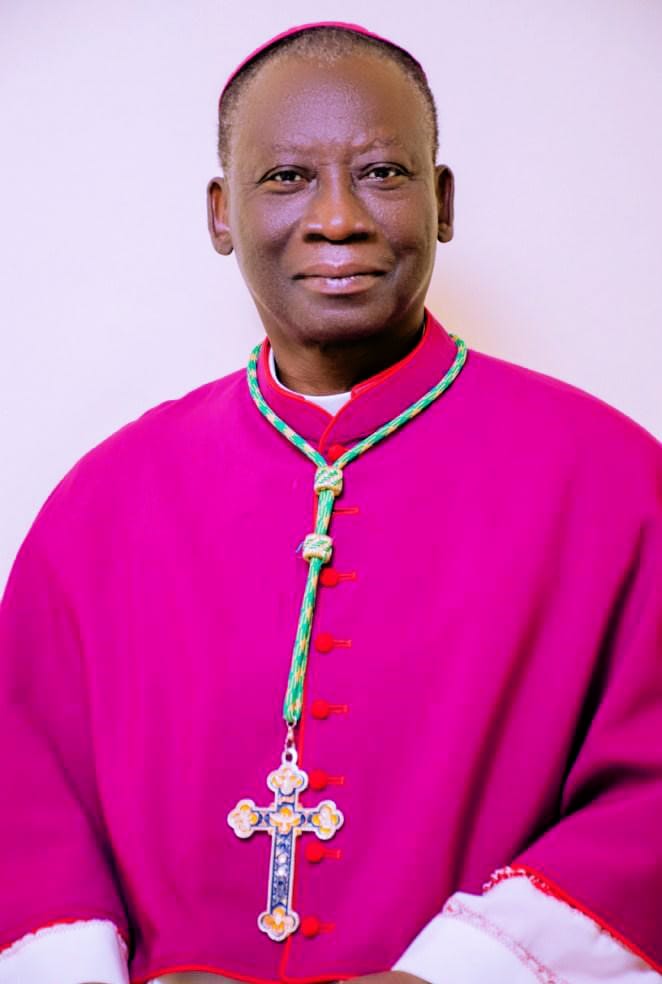
In a worded pastoral statement dated April 28, 2026, and signed by The GCBC President, Most Rev. Matthew Kwasi Gyamfi, the Conference emphasized that the Church’s interventions in matters of national concern are rooted in its divine mandate, not political ambition.
The statement follows remarks attributed to Mary Awusi, who reportedly suggested that Apostle Nyamekye should be “ready to be treated as a politician” if he continues to comment on illegal mining, popularly known as galamsey.

Responding directly to the controversy, the Bishops made their position crystal clear that, “The Church, by her nature and divine mandate, cannot remain silent in the face of moral and social concerns.”
They stressed that issues such as illegal mining go beyond politics, touching on human dignity, environmental protection, and the common good.
Quoting Scripture, the statement added that Christ calls His Church to be the light of the world and the salt of the earth.
According to the Bishops, speaking out on such matters is not political activism but a moral responsibility: “This is not partisan politics; it is a moral responsibility rooted in the Gospel.”
The Conference cautioned against equating moral guidance with political partisanship, warning that such characterizations could undermine healthy democratic discourse.
While acknowledging reports that Dr. Awusi has since apologized, the Bishops expressed concern that such remarks do not promote the level of respect required in public engagement.
Clarifying its role in governance, the statement emphasized that the Church does not seek political power but rather serves as a guide to conscience that, “the Church does not seek power but strives to illuminate public life with truth.”
It further noted that in a democratic society, the separation between religion and politics should not silence moral voices, “this must not silence the voice of conscience.”
The Bishops concluded with a call for calm, unity, and mutual respect among citizens, urging both public officials and religious leaders to act with responsibility “This moment calls us to be instruments of peace.”
They also appealed to leaders across sectors for openness to the moral voice of the Church and all people of goodwill.
By Theresa Kpordzo//Newswatchgh.com