
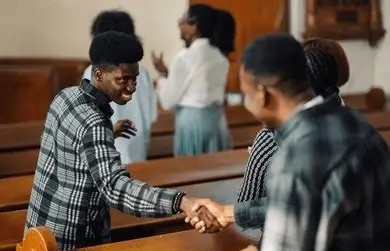

Handshaking is one of the oldest and most widely recognised forms of greeting among people across the world. It is more than a simple physical gesture; it is a symbol of friendship, respect, trust, and unity. In many societies, including Ghanaian communities, handshaking serves as an important aspect of cultural camaraderie, strengthening social bonds and promoting harmonious relationships.
Traditionally, a handshake is exchanged when people meet, greet one another, congratulate someone, or conclude an agreement. The act signifies goodwill and mutual respect between individuals. In many African cultures, a proper handshake is accompanied by warm words, eye contact, and sometimes a smile, all of which communicate sincerity and acceptance.
Handshaking plays a significant role in fostering social cohesion. It creates a sense of belonging and helps individuals feel welcomed within a community. Whether among family members, friends, colleagues, or strangers, a handshake often breaks barriers and establishes a connection. It reflects the communal spirit that values togetherness and cooperation.
I believe these, among others are what the Catholic church saw and introduced handshaking as part of the Mass when the priest gladly says “Let us offer each other the sign of peace”. At this point, you will see people turning to each other smiling, shaking hands and or hugging with so much admiration. That is a reminder that in Ghana, handshaking is deeply rooted in social etiquette.
Unfortunately, in the heat of the COVID-19 pandemic, a modern health concern, a series of tough measures were introduced, and handshaking was banned in order to protect ourselves from this dangerous disease. This reduced physical contact in certain situations. Alternative greeting of “hand waving” was introduced, but the values represented by the handshake – respect, friendship, trust, and solidarity continued to be cherished. Though Covid-19 is no longer a threat as it used to be, the “hand-waving” gesture is seemingly becoming the status quo in our churches now, which is gradually eroding “handshaking” as a form of our cultural camaraderie.
All said and done, it is important to recognise that handshaking is a meaningful cultural practice that embodies camaraderie among people. It strengthens relationships, promotes social harmony, and reflects the values of respect and unity within society. As a timeless gesture of goodwill, handshaking continues to play a vital role in preserving cultural bonds and fostering positive human interactions.
Let the Church rethink its stance on this issue, if we still believe in our cultural values of social and community cohesion.
By James Adeho (Jakenzy)