
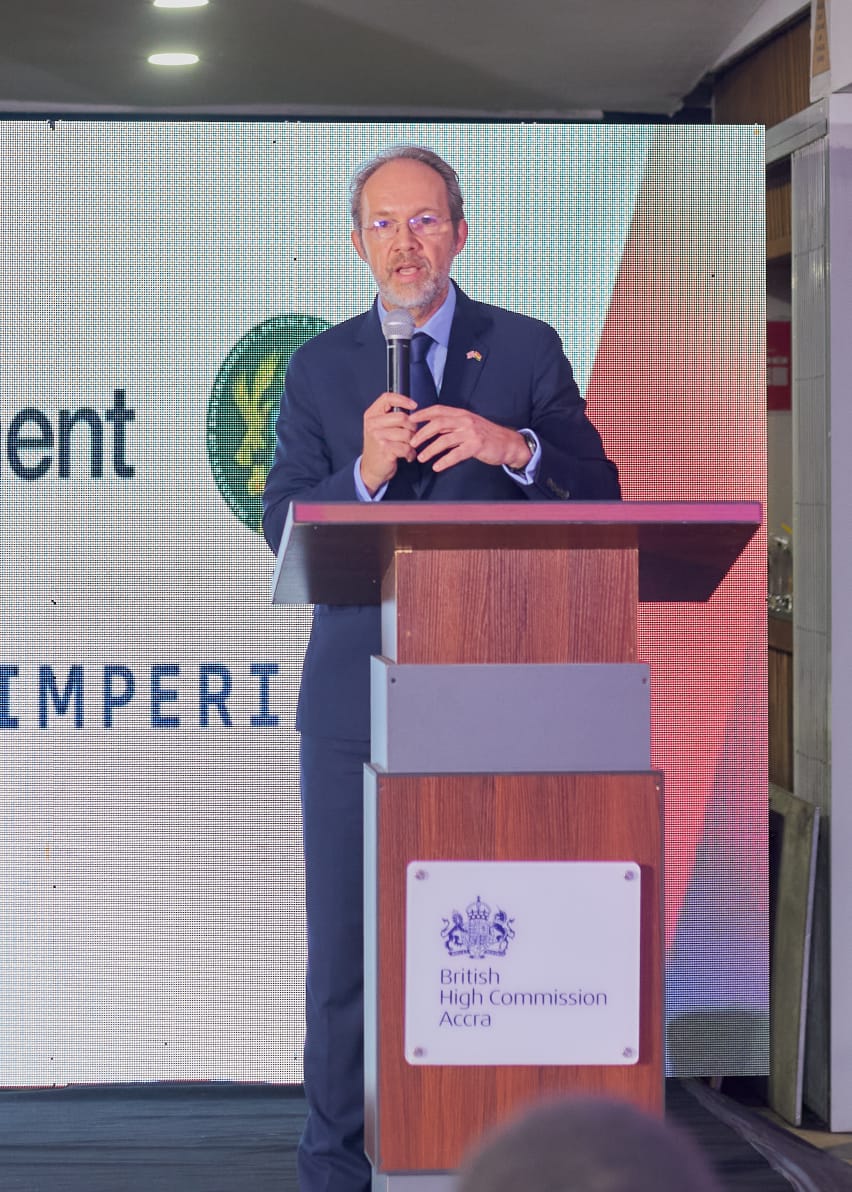

The British High Commissioner to Ghana, Dr Christian Rogg, has described science journalism as a public service, urging journalists to scrutinise scientific evidence and explain complex developments in ways that help the public make informed decisions.
Speaking at the closing ceremony of the UK Media Excellence for Emerging Technologies (UK MEET) Fellowship at the British High Commissioner’s residence in Accra on Friday, October 16, 2026, Dr Rogg said science and technology reporting was essential to connecting research with public understanding and policy discussions.
“It really is a public service that we are providing,” he said, emphasising that journalists must go beyond reporting scientific discoveries to examine the evidence behind them and explain issues that affect people’s lives.
Dr Rogg congratulated the fellows on completing the programme, describing the selection process as competitive and commending participants for developing story ideas aimed at improving public engagement with science and technology.
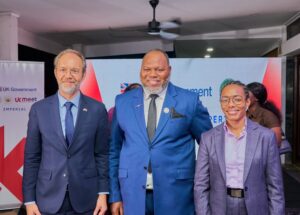
He said the fellowship was designed to connect journalists not only with one another but also with researchers, policy initiatives and innovation supported by the Ghanaian government.
“So I think what it shows is that the things you’ve been working on and that we’ve been working on together, they aren’t just the output from a training exercise, but they show how journalism can connect research with public understanding and with policy discussion and also with potential solutions to the problems investigated,” he said.
The High Commissioner noted that science and technology issues were becoming increasingly complex, while information was moving rapidly across borders and media platforms. He said journalists therefore needed to keep pace with technological developments and build relationships with researchers and experts.
He also highlighted the growing influence of artificial intelligence, AI, noting that it was changing how journalists approached several areas, including health and climate reporting.
According to him, strong science journalism should help explain issues that worry the public, particularly where uncertainty exists, while giving people the information they need to participate in discussions shaping society.
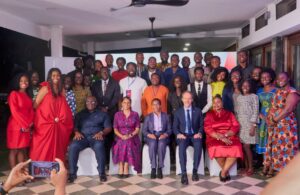
The fellowship brought together 29 Ghanaian journalists for a five-day programme focused on science, technology and innovation reporting. Ten participants were selected through a pitch competition for a knowledge-exchange visit to the United Kingdom later in the year.

Dr Rogg said the programme had, over its previous editions, supported reporting on areas such as health and climate and helped build collaborations among journalists and researchers.
The initiative is implemented through Imperial Global Ghana, with support from the British High Commission and collaboration with Ghanaian government ministries, researchers, universities, editors and media organisations.
By Theresa Kpordzo//Newswatchgh.com