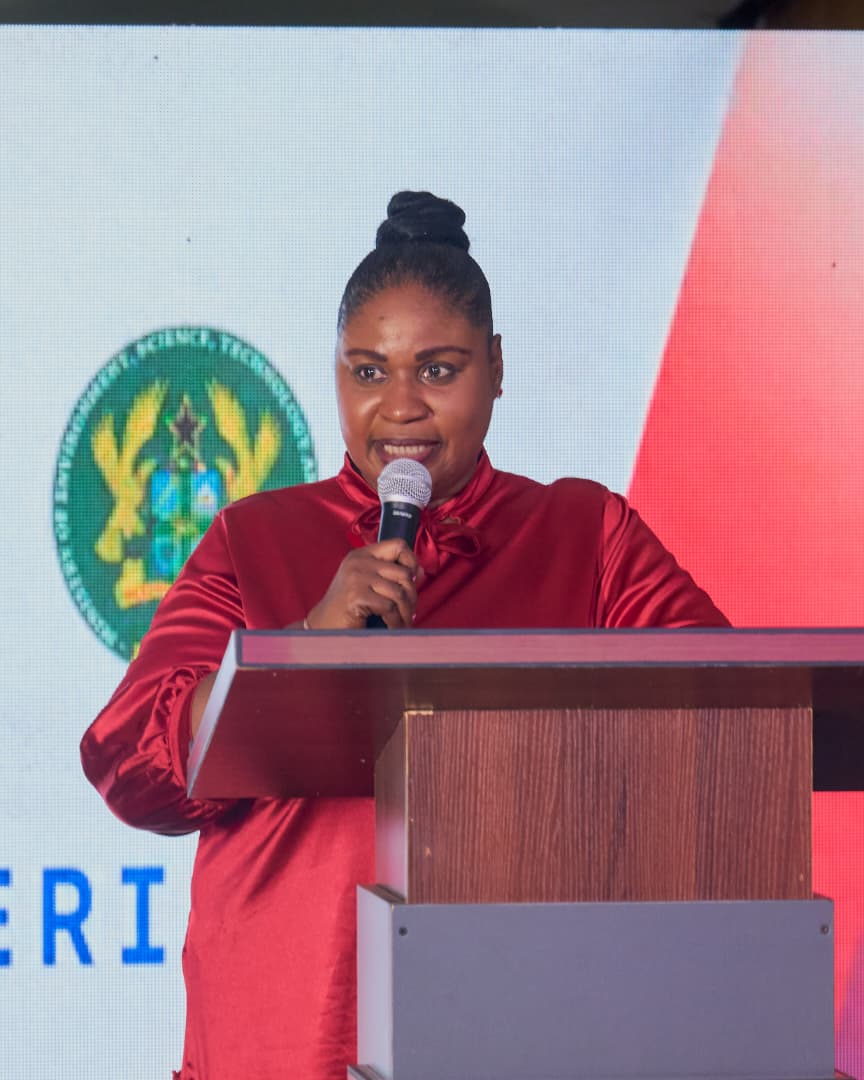

The Vice-President of the Ghana Journalists Association (GJA), Rebecca Ekpe has urged journalists who participated in the 2026 UK Media Excellence for Emerging Technology (MEET) Fellowship to translate their training into meaningful improvements in journalism and public understanding.
She said the success of the programme should be measured not only by the knowledge acquired during the fellowship but also by how participants applied it in their newsrooms and communities.
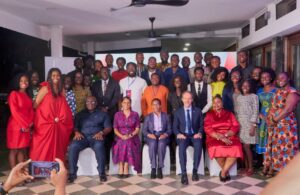
Speaking at the closing ceremony at the British High Commissioner’s residence in Accra on Friday, Ms Ekpe highlighted professional development, international cooperation and public trust as three key areas in which the initiative could benefit the journalism profession.
She described continuous learning as essential at a time when misinformation, disinformation, artificial intelligence and digital threats were reshaping the media landscape.
“Journalism is not dead yet. It will never die. Storytelling will never die,” she said, adding that although the platforms through which stories were told continued to evolve, the importance of journalism remained.
Representing the GJA President, Albert Kwabena Dwumfour, at the ceremony, Ms Ekpe commended the British High Commission, Imperial Global Ghana and other partners for investing in journalists’ professional development.
She said the fellowship provided an opportunity for journalists to deepen their knowledge, sharpen their skills and respond to the changing demands of the media environment.
Ms Ekpe also emphasised the importance of international partnerships in promoting knowledge-sharing, innovation, journalistic safety and the sustainability of media organisations.
She noted that collaboration between Ghanaian media stakeholders and international partners could strengthen the institutions needed to support independent and professional journalism.
On public trust and democratic accountability, the GJA Vice-President said a strong, independent and responsible media was indispensable to democracy.
She explained that journalists helped citizens make informed decisions, hold institutions accountable and amplify voices that might otherwise remain unheard.
She therefore urged participants to broaden their coverage beyond political figures and give greater attention to scientists, researchers, technology experts and other people contributing to national development.
Ms Ekpe stressed that the practical application of the fellowship’s lessons would be crucial to its long-term success.
“I encourage all participants here today to take the lessons, the relationships that have been developed and will be developed beyond today’s gathering,” she said.
She expressed hope that the programme would foster deeper collaboration and lasting improvements in journalism.
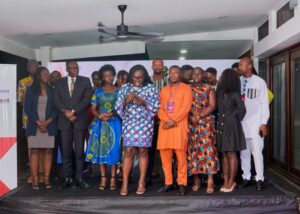
The 2026 UK MEET Fellowship brought together 29 journalists for five days of training in science, technology and innovation communication. The programme culminated in a pitch competition, from which ten journalists were selected for a knowledge exchange visit to the United Kingdom.
The initiative was implemented by Imperial Global Ghana with support from the British High Commission and other partners, with the aim of strengthening connections between journalists, researchers and the wider public.
By Theresa Kpordzo//Newswatchgh.com