
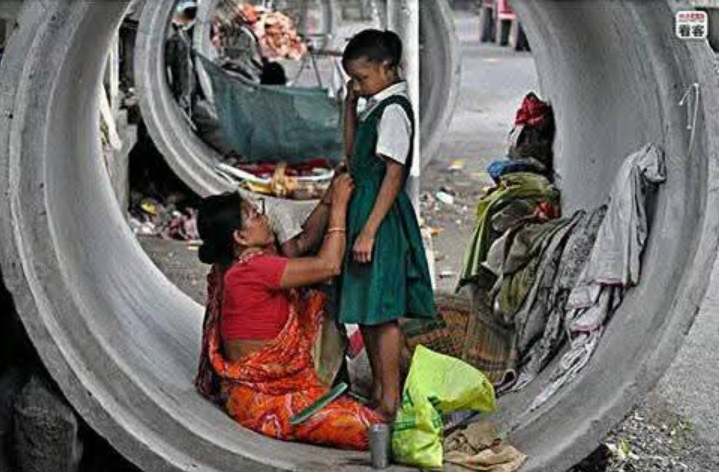

Beloved mothers, kindly permit me to address you today. Anytime I think of mothers, the rich proverbial sayings my mummy used to share with me come to mind. I remember her saying:
- “Wo ni wuo a, na w’abusua asa”: Once your mother dies, you have no family anymore.
This typical Akan proverb means that it is the mother who generates a family, and as a mother, she directs the children where to step and where not to step in the family. She is like a sentinel who watches over her children and covers them with her shield, just as a hen covers her chicks with her feathers. - “Eni ho yɛ na”: Mothers are hard to come by.
In our Akan setting, in most families, at some point in life, even as adults, it becomes a moral imperative to consult and seek the maternal guidance of the mother in health or even in sickness. For some people, once they are very sick, and they inform their mother, they immediately feel relieved emotionally, even as adults, because the mother is the first nurse of the child and knows how to care for him or her. - “Ɔbaatan na onim deɛ ne ba bɛdi”: It is only the mother who knows the delicacy of the child.
As a mother, she not only knows the delicacy of the child but also his or her preferences, ambitions, likes and dislikes, and what gives the child joy and what saddens the child.
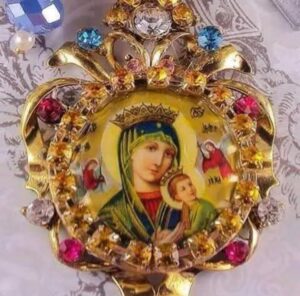
Mothers’ Connection with Their Children
Most often, mothers intuitively hear the cries, worries, and low moments of their children, whose explanation goes beyond the umbilical cord that connects them.
It is on this basis that Scripture says:
“Can a mother forget her infant, be without tenderness for the child of her womb? Even should she forget, I will never forget you.” (Isaiah 49:15)
In short, the idea of a mother forgetting her child is almost impossible. In the same way, the Lord never and will never forget us, His children, because He knows what is good for us, and we are His.
Behind The Silent and Visible Tears of Mothers
Motherhood, though a blessing, has affected the lives of many women, with some even ending up in mental health facilities due to emotional and psychological burdens. The question is: how did they get there?
What can be compared to the visible tears of a depressed mother? Could it not be compared to the woes of a stepchild?
The Sacrifices of Mothers
It is rather unfortunate that the African world does not often bring to light the countless sacrifices mothers endure. Most often, many men may find it difficult to endure even a fraction of the pains and burdens mothers go through daily.
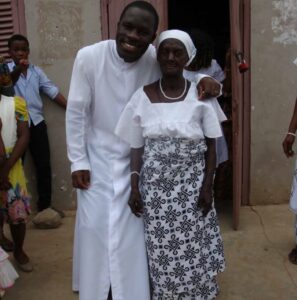
Think About the Single Mother
Though it is an undeniable fact that being a single mother is never the prayer, desire, or wish of any young woman, sometimes certain life situations lead to it.
Think about the countless mothers who became pregnant unexpectedly and had to sacrifice their education, only for the man to say, “It is not my child.”
Most often, these jobless teenage mothers from poor homes have to struggle through pregnancy: selling ice water all day on the streets, working as “Kayayei” in the market on empty stomachs, with no antenatal visits, no proper accommodation, and yet still grooming and educating the fatherless child to become somebody in life, years after birth.
That may be the time when such irresponsible men come back to apologize to benefit from the successful child.
Think of the Abused Mother
One time, I intervened when a woman wanted to divorce her husband, who seemed unsupportive to the family. To my utter dismay, this frustrated woman said:
“Father, I would not divorce him, but the way I will treat him, it would have been better if he had allowed me to divorce him.”
That is how some women suffer abuse. Most often, emotional abuse and torture outweigh physical abuse, and that is even more deadly than physical torture. This is because physical abuse can easily be detected through scars and may heal with time, but emotional abuse is not easily detected unless the victim opens up and seeks help.
Speaking Up as Mothers
Sometimes mothers need to speak up and allow the law to take action against violent and irresponsible husbands.
There have been countless medical cases of mothers who have lost their eardrums because of abusive marriages, and mothers who report to health facilities with severe injuries caused by their husbands, yet sometimes conceal the true cause of the deep cuts and fractures, thinking they are protecting their marriages.
Most often, such mothers do that out of love in order to save their marriages, but that is wrong.
Mothers, how do you cater for your children when such abuse takes you to an early grave? Though you are sacrificing for your family, it should not be at the expense of your life.
Think of Marrying an Irresponsible Man
One does not need an expert to observe how many African mothers have sleepless nights, deeply thinking about how to solve countless problems and meet household expenses: electricity bills, gas, feeding, hospital bills, school fees, clothing, rent, and many others.
Nothing breaks a woman more than an unsupportive man who never opens up about his finances.
Such mothers, though married, deep within their hearts, feel single and burdened with taking care of their children almost alone. Let Christ be your source of joy.
Think of Barren and Foster Mothers
It is rather unfortunate that in our African society, mothers struggling with childbirth are often stigmatized and unsupported. Most often, the pressure alone from the husband’s family, especially from sisters-in-law and mothers-in-law, becomes unbearable, forgetting that the problem could even come from the man.
Most often, such women have no option but to carry the burden of waiting upon the Lord for many years.
Let our society encourage adoption in such cases, at least to help save marriages and restore hope to such families.
Some Practical Pastoral Ways to Overcome and Heal from Pain, Bitterness, And Depression
- Mothers, always open up, be expressive, and discuss issues that trouble you as mothers and the issues concerning your children with your husband or the one who has hurt you.
- Try to go to Confession regularly. It heals inner wounds and helps one to let go of unforgiveness, making the soul lighter through God’s grace.
- Seek Inner Healing Sessions from Catholic Charismatic Renewal Centres or from the Diocesan Centres for Spiritual Renewal. It is a kind of spiritual exercise in which one is pastorally accompanied to remember hurts, unconfessed mortal sins, or unforgiveness of self that may cause interior conflict and struggles within the believer. The participant is accompanied to pour out his or her heart and be led into God’s grace of true forgiveness and redemption.
- I would encourage every Catholic mother to have a personal counsellor and/or spiritual director to journey and discern the Christian life with openness, trust, and readiness to seek help, at least once every month.
- From time to time, women’s societies should invite counsellors and psychologists for group counselling on how to handle and manage marital conflict, financial crises, fertility challenges, spiritual dryness, and other emotional struggles.
Being Financially Empowered and Self-Reliant
In a typical Akan home, some men believe women should be housewives and fully dependent. This is outdated.
There is a story of a security officer who divorced his wife, a professional banker, simply because she refused to become a housewife.
Mothers, do not take childbirth as a profession that should make you remain idle at home. Do something meaningful for yourself in order to support your husband and children and to ease the financial burden on your family in this world where the cost of living is extremely high.
Instead of becoming overly dependent on others for daily survival and allowing some men to take advantage of your situation, make good use of vocational and technical training such as beads making, soap making, fish farming, snail rearing, mushroom farming, and other skills that Christian Mothers Association, St. Theresa of the Child Jesus Society, Women Council, and other church groups offer to start your own small venture and become financially empowered and self-reliant.
Empowering Catholic Mothers
While acknowledging the support from foreign partners, I humbly appeal that Catholic financial institutions consider special low-interest loan packages for Catholic mothers, based on credibility and repayment capacity.
Furthermore, more women should be empowered to take up leadership roles in parishes and dioceses where appropriate.
The Church should also develop an official formation handbook for mothers to help them navigate frustration, trauma, and depression.
Let our mothers not attend meetings only to discuss designing new clothes or to participate merely in social programmes such as funerals, engagements, and birthday parties.
Thank God that, in recent years, the leadership of our women’s societies in the Church has been doing wonderfully well in this area by organizing Advent and Lenten retreats, pilgrimages, and missionary visits to seminaries, homes of retired priests, and religious communities in rural areas.
If I may be permitted, I would humbly propose that more counselling programmes and interactions with psychologists and counsellors be highly encouraged in our various parishes for women’s groups. Also, more priests and religious should be trained in this area to help reduce the wide counsellor-counsellee ratio in our parishes.
Conclusion
Beloved mothers, we duly acknowledge your great sacrifices.
Motherhood is not only about biology, but also about every loving woman who plays the role of a mother to children, husbands, clergy, religious, and the youth in the Church.
Let us not wait for Mother’s Day alone before we sing, “Sweet Mother, I no go forget you,” but let us appreciate continuously the pivotal role mothers play in the growth of our homes, the Church, and the nation.
The saying of James Kwegyir Aggrey comes to mind:
“If you educate a man, you educate an individual, but if you educate a woman, you educate a nation.”
By: Rev. Fr. Albert Kyei Danso
Chaplain,
Holy Family Ghanaian Catholic Community Church,
Italy