
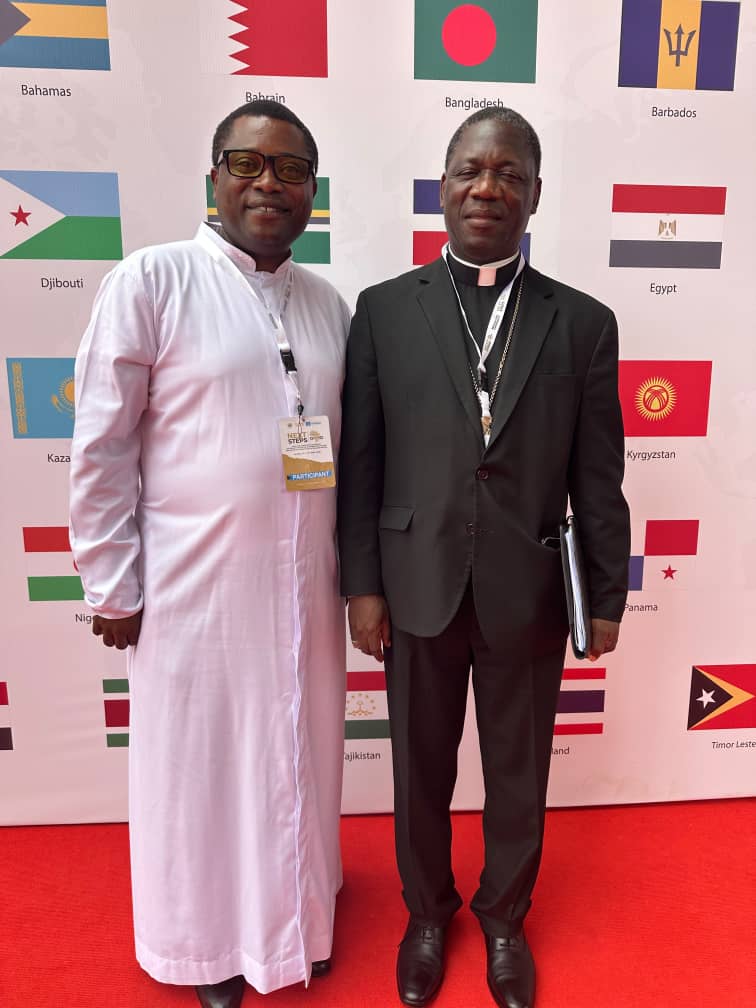

Rev. Fr. Dr. Aaron Agbeshie Agorsor, a priest of the Catholic Archdiocese of Accra and lecturer at Academic City University in Accra, has called for durable legal frameworks and people-centred development as the true measure of reparatory justice.
Participating in the just-ended High-Level Consultative Conference on the Next Steps to the Landmark UN General Assembly Resolution A/RES/80/250, held from June 17 to 19 at the Kempinski Hotel, Accra, and convened by the Ministry of Foreign Affairs, Fr. Agorsor said the resolution recognises the trafficking of enslaved Africans and racialised chattel enslavement as the gravest crime against humanity.
Describing the conference as “sobering, intellectually and morally profound,” Fr. Agorsor said it forced a confrontation with the “systematic dehumanisation” of the transatlantic trade — a calculated system that denied millions their humanity and dignity, with legacies that still constrain Africa’s social, economic, and political realities today.
In his intervention, he posed three questions which remain central to reparatory justice debates:
1. How can humanity meaningfully quantify over four centuries of enslavement and exploitation?
2. How can the immense harm inflicted on Africans and their descendants be effectively repaired?
3. What form of compensation could ever adequately redress one of history’s gravest crimes?
Fr. Dr. Agorsor, who is also a Global Fellow at the Center for the Study of Race and Democracy, Arizona State University, proposed that the conference resolution should urge member states to strengthen legal and institutional frameworks for reparatory justice, embedding the pursuit of justice in durable governance structures rather than leaving it to shifting political priorities.
“Genuine reparatory justice extends beyond financial compensation,” Fr. Agorsor stated. He argued that governments must prioritise policies that improve living conditions through sustainable investments in education, healthcare, infrastructure, economic empowerment, and social development.
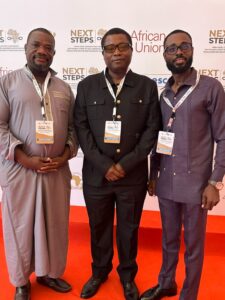
For him, the essence of reparatory justice is not merely resource transfer but “responsible and transparent utilisation to restore opportunities and enhance the quality of life of those whose histories and futures have been profoundly shaped by enslavement and colonial exploitation.”
He stressed that if reparations are paid, governments must be held accountable for management and allocation, ensuring resources advance national development and improve people’s lives rather than being diverted.
Fr. Agorsor’s academic work aligns with his intervention. His PhD dissertation, “Afrofuturism, Octavia Butler and the Embattled Black Woman’s Body,” reflects his long-standing engagement with themes of historical trauma, dignity, and Black futures.
The High-Level Consultative Conference was also attended by the Apostolic Nuncio to Ghana, His Excellency Most Rev. Julian Kabore, as a special guest and participant.
By Robert Dela Mawuenyegah & Celestine Edem Gbologah