

Religion in Ghana, particularly Christianity, has increasingly become a profitable enterprise rather than solely a spiritual calling. Christianity today is no longer seen as a way of life, but also as a thriving commercial venture in which self-styled prophets and spiritual leaders dominate public attention.
Across television stations, radio platforms and social media, prophets and traditional medicine practitioners have taken over much of the public space with promises of miracles, prophecies and instant solutions to life’s challenges. Yet despite the growing number of churches and prophets, concerns over corruption, immorality and social decay continue to rise.
Much of modern prophecy in Ghana now centres on predicting election outcomes, football matches and personal fortunes. Questions continue to emerge over why prophetic declarations focus heavily on politics and sports while offering little direct confrontation of bribery, corruption, injustice and moral decline in society.
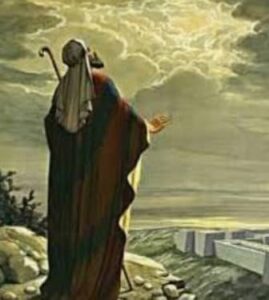
Biblical prophets were traditionally regarded as messengers sent to call people to repentance, justice and transformation. Their mission was not merely to predict future events, but to guide individuals and communities away from destructive paths before consequences emerged.
A distinction is also drawn between prophets and seers. A prophet is understood as one who communicates God’s message, while a seer operates through visions and dreams. Though both are viewed as spiritual gifts, they are not considered identical in purpose or function.
Concerns have also been raised about the reluctance of some religious leaders to openly challenge corruption, immorality and abuse of power, often choosing instead to focus on sensational prophecies that attract followers, influence and financial gain.
At the same time, genuine prophets are acknowledged to exist, individuals who sincerely seek the well-being of the people and boldly speak the truth without fear or favour, even when such messages provoke resistance.
The reflection also highlights how earlier generations of Christianity in Ghana were marked by stronger moral discipline, deeper reverence for God and greater commitment to service, even at a time when churches were fewer in number.
Ghanaians themselves are urged to reflect on how desperation for wealth, healing and personal success can make people vulnerable to exploitation in the name of religion. Poverty, sickness and the search for a better life often create opportunities for manipulation disguised as spirituality.
More than ever, we need to sharpen our sense of discernment as a nation in matters of spirituality when prophecy has become a trade rather than a divine calling. Perhaps, an exhortation found in one of the Letters of John is apt in a time like ours – “Beloved, do not believe every spirit, but test the spirits to see whether they are of God; for many false prophets have gone out into the world” (1 Jn 4:1).
Ultimately, Ghana is being called to embrace religious leadership that challenges wrongdoing, awakens public conscience and promotes truth, rather than exploiting the struggles of ordinary people for fame and financial gain.
Faith and reasoning are not opposing, they compliment each other when it comes to seeking the truth in God.

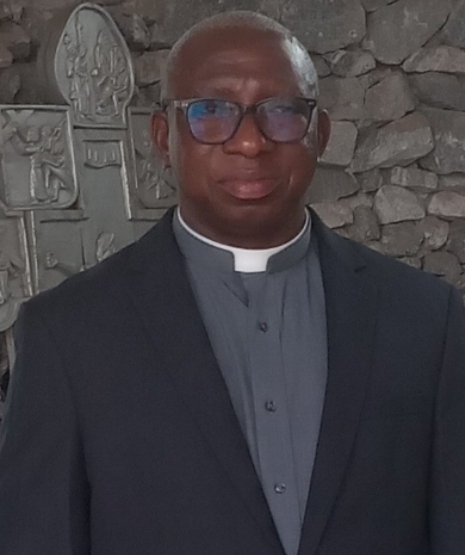
By Rev. Fr. Nicholas Nibetol Aazine, SVD
Coordinator for Justice, Peace and Integrity of Creation, Ghana-Liberia Province (JPIC)
Divine Word Missionaries (SVD) A Catholic Missionary Society, Serving God through Humanity
nicholasbetol@gmail.com